01My child is not speaking yet. Should I be concerned?
Every child develops at their own pace, but delayed speech can sometimes indicate an underlying developmental difficulty. An early assessment can help identify the reason and guide appropriate intervention.
02When should I take my child for a developmental assessment?
If you notice delays in speech, movement, learning, attention, social interaction, play or daily activities, it is better to seek an assessment early rather than wait.
03Does my child need therapy if they have a developmental delay?
Therapy may help your child develop important skills and become more independent. The type and frequency of therapy depend on the child's individual needs.
04What are the early signs of autism?
Possible signs include limited eye contact, delayed speech, reduced response to name, repetitive behaviors, difficulty with social interaction, unusual sensory responses or limited interest in social play. An assessment is needed for proper understanding.
05Can autism be treated?
Autism is a neurodevelopmental condition, not an illness that can simply be "cured." However, early and individualized intervention can help children develop communication, social, behavioral, learning and daily living skills.
06My child understands everything but is not speaking. What should I do?
Good understanding is encouraging, but delayed expressive speech still deserves attention. A speech and developmental assessment can help identify your child's communication needs.
07My child is very active and cannot sit or concentrate. Is it ADHD?
High activity levels or difficulty concentrating do not automatically mean ADHD. A proper developmental assessment is needed to understand the cause.
08My child has difficulty writing, holding a pencil or using scissors. Can Occupational Therapy help?
Yes. Occupational Therapy can work on fine motor skills, hand strength, coordination, visual-motor skills, handwriting and other skills needed for school and daily activities.
09My child has difficulty reading and writing. What can I do?
Learning difficulties can have different causes. Assessment can help identify the child's specific difficulties, after which remedial therapy or special education can provide targeted support.
10Does my child need Speech Therapy only if they cannot speak?
No. Speech Therapy can also help with language understanding, pronunciation, fluency, social communication, voice and other communication difficulties.
11How can I know which therapy my child needs?
You do not have to decide this yourself. A professional assessment can help identify your child's strengths, difficulties and appropriate therapy needs.
12Can my child receive more than one type of therapy?
Yes. Some children benefit from a combination of therapies such as Occupational Therapy, Speech Therapy, Physiotherapy, Behavioral Therapy, Remedial Therapy or Special Education.
13Is early intervention really important?
Yes. Identifying developmental difficulties early allows appropriate support to begin sooner and gives the child more opportunities to develop important skills.
14How often does my child need therapy?
Therapy frequency depends on the child's needs, goals, age, condition and progress. The therapist will recommend an individualized schedule after assessment.
15Will parents be involved in the therapy process?
Yes. Parent involvement is an important part of successful intervention. Therapists can guide parents on activities and strategies that can be continued at home.
16How long will my child's therapy take?
There is no fixed duration. Progress depends on the child's condition, individual needs, consistency of therapy and home support. Goals are reviewed regularly.
17Can therapy help my child become more independent?
Yes. Therapy can focus on practical skills such as dressing, feeding, writing, communication, play, learning, mobility and other daily activities according to the child's needs.
18What should I bring for my child's first assessment?
Bring any previous medical or therapy reports, school records or assessment reports if available. Most importantly, share your concerns and observations about your child's development.
19Can I get an assessment even if my child has not been diagnosed with a condition?
Yes. You do not need to have a diagnosis before seeking an assessment. Developmental concerns themselves are a valid reason to seek professional guidance.
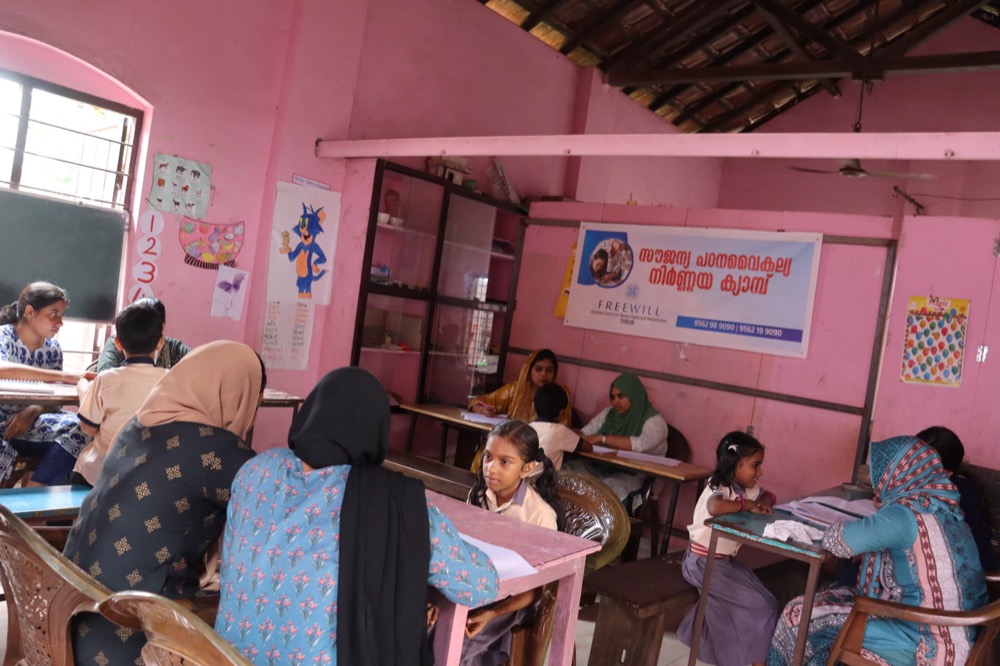
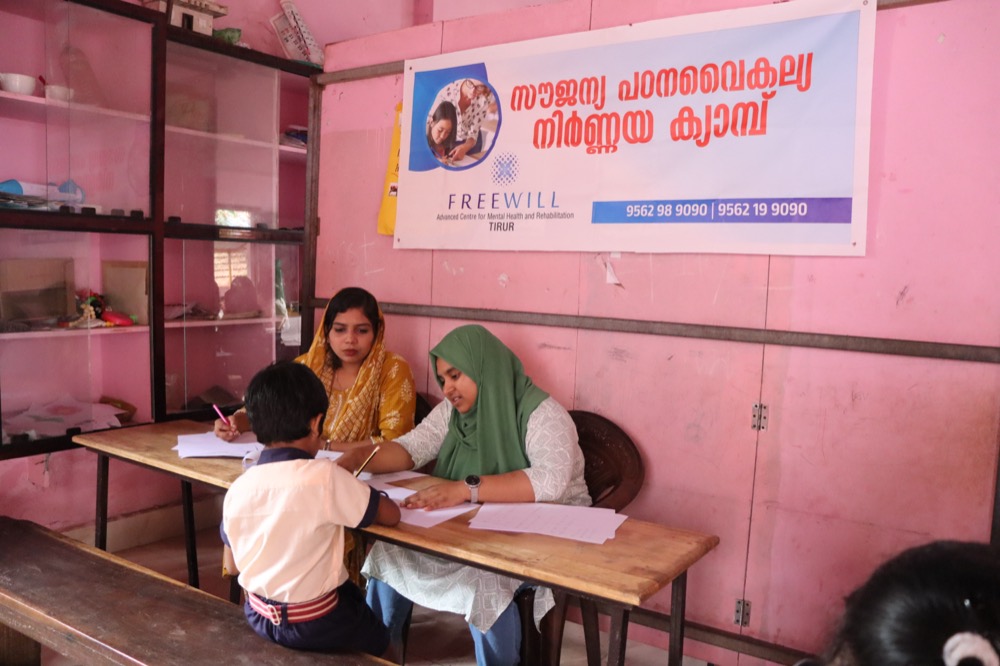
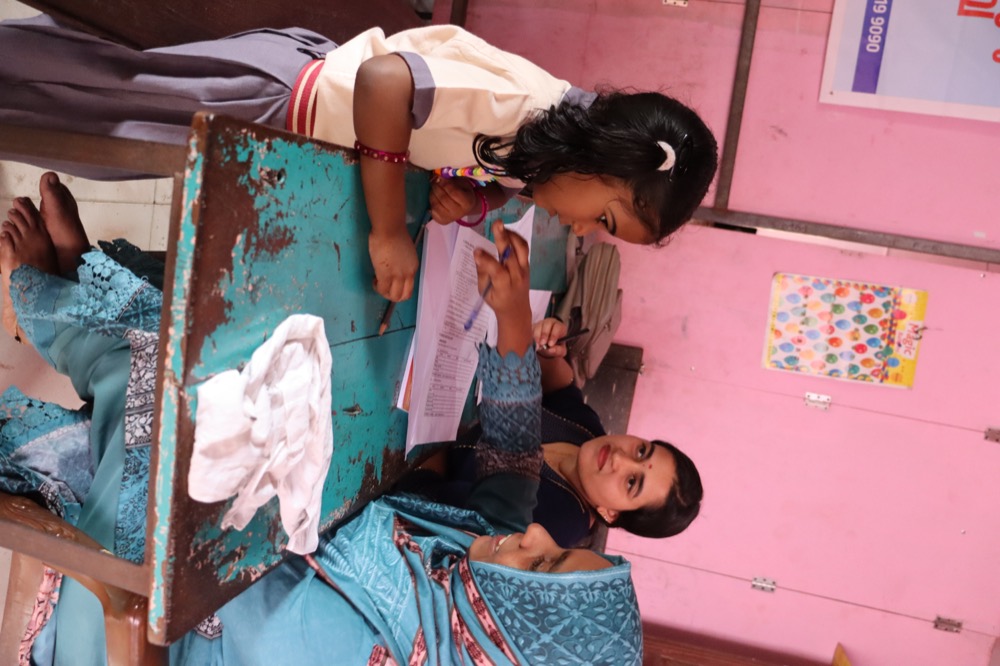
20Where can I get child development and rehabilitation services in Tirur?
Freewill Advanced Centre for Mental Health & Rehabilitation provides multidisciplinary child development and rehabilitation services, including Occupational Therapy, Speech Therapy, Physiotherapy, Behavioral Therapy, Remedial Therapy and Special Education.